







Search Results for: seal integrity

Yirgacheffe Flavor Calendar: From Roast Date to After Opening
The allure of Yirgacheffe lies in how white flowers, citrus, and a tea-like quality gradually unfold after roasting. Brewing it soon after roasting means the cup may be disturbed by more gas, with the aroma slightly tight and the acidity and sweetness not yet fully integrated; leave it too long, and the bright fruity notes slowly fade. Freshness is not about being as close to the roast date as possible, but about the beans [more…]

Latte art always failing? A detailed explanation of the eight key points and operational details for incorporating milk and coffee
Many coffee enthusiasts encounter the same confusion when practicing latte art: the milk foam is steamed perfectly fine, and the crema on the espresso is in decent shape too, yet the moment they start pouring, everything falls apart. The problem often lies in a seemingly simple yet easily overlooked step—the integration of milk and coffee. Whether the integration is even not only directly determines whether the latte art pattern can come through smoothly, but also affects the layered mouthfeel of the entire latte. This article will break down the key operational points one by one—covering the criteria for judging even integration, the appropriate thickness of espresso crema, milk steaming and anti-separation handling, the direction and size of the swirling circles, pouring height and flow rate, and controlling the amount used in integration—to help you make a cup of latte with clear patterns and a smooth mouthfeel right at home. [more…]
A Beginner's Guide to Latte Art: Key Techniques from Milk-Coffee Integration to Pattern Formation
Many coffee enthusiasts encounter the same confusion when practicing latte art: the milk foam is perfectly fine and the espresso crema is passable, yet once they get to the pouring stage, everything falls apart. The problem often lies in a step that seems simple but is easily overlooked—the integration of milk and coffee. Whether the integration is even not only directly determines whether the latte art pattern can be successfully presented, but also profoundly affects the mouthfeel and layers of the entire latte. This article will break down, one by one, the core points needed to make a beautiful and delicious latte—from the state of the espresso crema, the thickness and fineness of the milk foam, to the direction, height, flow rate, volume, and circling size in the integration technique—and will include espresso bean recommendations from Front Street Classic Blend and Front Street Commercial Blend to help beginners consistently produce lattes with a beautiful golden ring at home. [more…]
A Beginner's Guide to Latte Art: Key Points for Making Beautiful Patterns, from Pouring Technique to Milk Foam Control
Many friends who are just getting into latte art run into the same confusion: the milk foam is clearly fine enough, and the espresso crema looks fine too, yet the moment they start pouring latte art, it keeps going wrong. In fact, the problem often lies in an easily overlooked step—the incorporation of milk and coffee. Whether the incorporation is even not only directly determines whether the latte art pattern can form smoothly, but also affects the layering of flavor in the whole latte when you take a sip. This article will break down, one by one, the key details for making a beautiful latte from multiple dimensions, including the state of the espresso crema, the thickness and fineness of the milk foam, and the direction, height, flow rate, and circle diameter in the incorporation technique. It also recommends two espresso beans suitable for beginners to practice with, Front Street Classic Blend and Front Street Commercial Blend, to help you consistently produce latte coffee with golden crema at home. [more…]

From Roast Date to After Opening: A Flavor Timeline for Pour-Over Beans
After coffee beans leave the roaster, they do not immediately enter a state where their aroma is fully developed. The beans are still releasing carbon dioxide, and if you pour-over the next day, the bloom may puff up very high, yet the water will not easily saturate the coffee bed evenly, and the cup will tend to have aromas floating on the surface with the acidity and sweetness not yet integrated. Set aside a period of degassing time, spend [more…]

Coffee Latte Art Beginner Tutorial: A Complete Guide from Espresso Crema to Heart Patterns
Many people see a barista gently flicking their wrist in a café and tracing beautiful patterns in the cup, and think it's pure magic. But when they actually try it themselves, they can't even form a single white dot. In fact, latte art is not the exclusive domain of the naturally gifted—as long as you master a few core steps, anyone can make a decent heart pattern. This article will break down the key steps of latte art one by one, from the crema state of the espresso, the steaming of fresh milk, the technique of integrating coffee and milk, to the specific skills of pouring a heart. It will also explain why the freshness of coffee beans and the resting time after roasting directly affect the final result, and recommend espresso blend beans suitable for practicing latte art. Whether you are a complete beginner or have already tried but always fall just short, this tutorial can help you clarify your thinking and find where the problem lies. [more…]
A Complete Guide to Espresso: From Boiler Systems to Milk Frothing and Latte Art — Professional Fundamentals
Want to systematically master the underlying logic of espresso? This article provides a complete overview of the core knowledge system of espresso, from equipment principles to practical details. It first deeply analyzes the differences between four types of boiler heating systems and their impact on extraction stability, then explains one by one the selection of steam wands, the structure of grinder burrs, the matching principles of tampers, and key points for choosing latte art pitchers. In the materials section, it focuses on comparing the roasting differences between Northern and Southern Italian-style coffee beans and the logic for selecting suitable milk. Finally, it focuses on the five major variables of extraction and the six factors of milk frothing, and explains in detail the techniques for integrating coffee and milk foam. The full text balances theoretical depth with operational guidance, making it suitable for coffee enthusiasts who want to solidify their foundations to read carefully. [more…]
After the roast date, when do blends and SOEs taste better?
Coffee beans aren't necessarily more fragrant the closer they are to the roaster. Freshly roasted beans continue to release carbon dioxide, making it harder for water to evenly penetrate the coffee bed during brewing, and the aroma may also seem loose and scattered. Whether a blend or an SOE tastes better often depends on whether they've reached their optimal drinking window, and whether a bag of beans can be finished in time after the flavors have opened up. [more…]
How Long Should Coffee Beans Rest? Resting Principles and Key Operational Points for Different Roast Levels
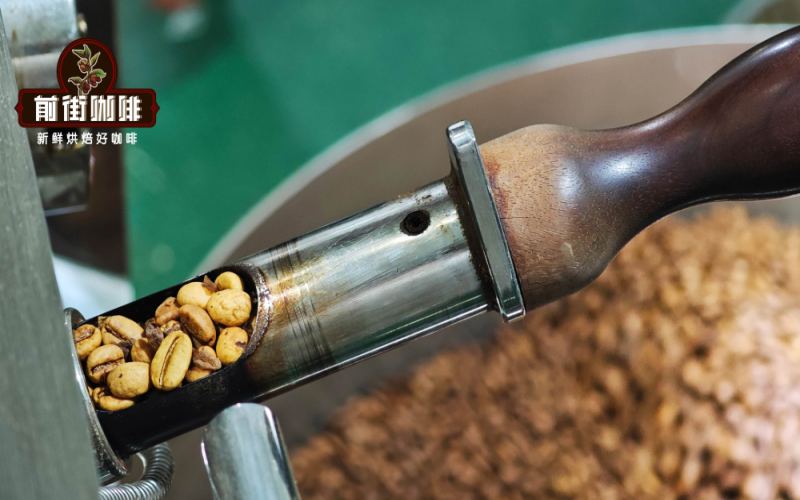
Freshly roasted coffee beans are not at their best right after roasting; they still need to go through a degassing process known as "resting." The core purpose of resting is to let the large amount of carbon dioxide produced during roasting gradually escape, allowing the aromatic compounds and oils to integrate more fully, so that a cleaner, more stable flavor is presented during brewing. Insufficient resting brings a dry, harsh sensation and a smoky, pungent taste, while excessive resting accelerates the loss of aroma and shortens the optimal enjoyment period. Different roast levels and different brewing methods have different requirements for resting time; medium-dark roasts generally need about 3 days, while beans for espresso may need 10 to 15 days. In this article, Front Street Coffee systematically sorts out the principles, time ranges, and storage key points of resting, helping coffee lovers find the rhythm that suits their own taste. [more…]
From Degassing Cycle to Opening and Storage: The Flavor Rhythm and Bean Selection Recommendations for Making a Delicious Latte
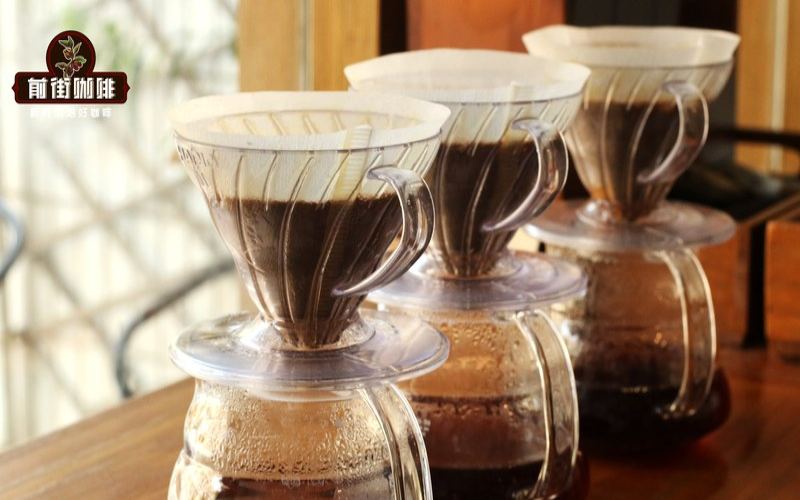
Freshly roasted coffee beans are filled with carbon dioxide internally. When making a latte, the state of gas release directly affects extraction efficiency and the degree of integration with the milk. Understanding the degassing process of coffee beans at different stages helps us taste a balanced and full-bodied coffee flavor during the phase when aromatic compounds are most active. The initial period after roasting is [more…]
Why Does Water Leak During Espresso Machine Extraction? An Analysis of Bypass Water Causes and Its Impact on Espresso Quality
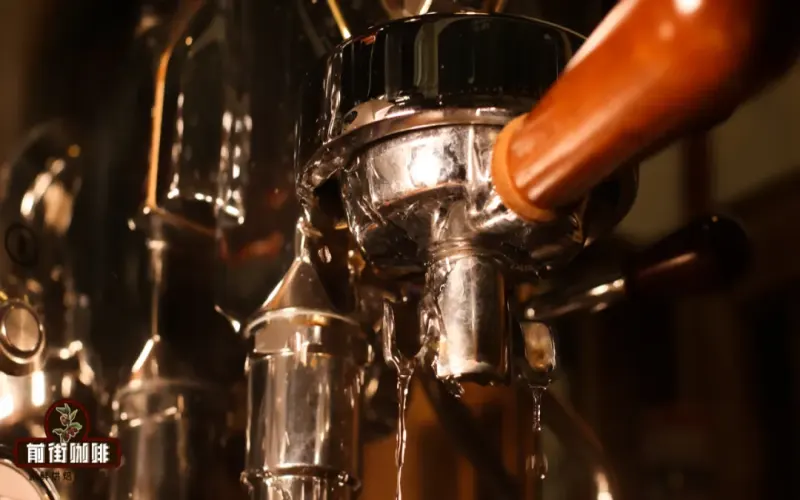
Leaking from an espresso machine during extraction is a situation many coffee enthusiasts encounter. In principle, during normal extraction, water is sealed inside the machine and only passes through the coffee bed in the direction of pressure; once a gap appears in the sealed space, water seeps out through these openings, forming what is called bypass water. A leak may seem like a minor problem, but in reality it affects the judgment of espresso extraction—bypass water mixing into the cup dilutes the concentration and causes misjudgment, while too many gaps also make it difficult for the machine to build sufficient pressure, leading to extraction failure. This article analyzes the causes of leaks, the formation mechanism of bypass water, and its impact on extraction results, and, combined with Front Street Coffee's reminders, helps readers take this phenomenon seriously and troubleshoot it. [more…]

The Principles of Milk Foaming and Latte Milk Frothing Techniques: A Complete Guide from Integration to Latte Art Patterns
Steaming milk is a fundamental skill that every barista must master, and the quality of the milk foam directly affects the taste of a latte and the result of latte art. Drawing on the practical experience of Front Street Coffee, this article explains in detail the physical principles of milk frothing, answers common problems such as foam that won't incorporate, separation, and surface bubbles, and explains how steam pressure and foam fineness determine incorporation. The article also compares the stability of milk foam at different temperatures, provides two frothing methods—manual and steam—summarizes five common mistakes, and finally includes a step-by-step tutorial on tulip latte art. Whether you are a beginner or a coffee enthusiast looking to refine your skills, you will find practical guidance here. [more…]
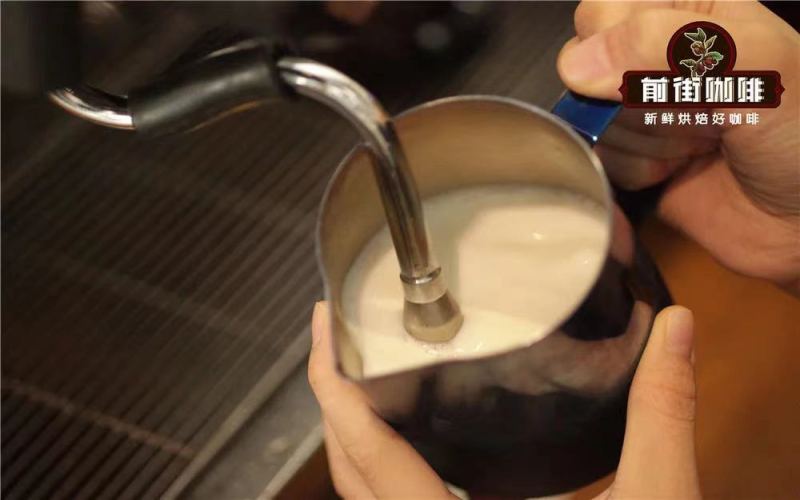
Milk Frothing Tutorial for Beginners | Why Does Milk Foam? How to Froth Milk for a Latte? What Are the Steps and Techniques for Latte Art Pouring and Integration?
At FrontStreet Coffee, steaming milk can be said to be a basic and core skill for every barista. Whether one can steam perfect milk is one of the factors used to judge whether a barista's level is up to standard. For example, the milk foam in a latte is on the thinner side, making it smooth and delicate to drink. The [more…]

Why Does Milk Frothing Always Go Wrong? A Full Guide to Analyzing Five Common Misconceptions and Practical Tips
Steaming milk is a fundamental skill every barista must master, but many people run into problems during the process, such as milk foam not incorporating, separating into layers, or dissipating quickly. Drawing on the hands-on experience of Front Street Coffee, this article systematically explains the principles of milk foaming, the key factors affecting incorporation, how milk foam performs at different temperatures, and the differences between steaming milk and frothing it by hand. It also compiles the five most common mistakes made when steaming milk, along with detailed steps for a tulip latte art pour, to help you comprehensively improve your milk foam quality and latte art skills. [more…]

From Roast Date to Sealed Bag: The Flavor Rhythm of Commercial Coffee Beans
Coffee beans are not more aromatic the closer they are to the roast date. Freshly roasted beans contain more carbon dioxide, which can cause uneven water penetration in the puck when pulling espresso; the crema may look thick and rich, but the sip feels loose and disconnected. After resting for a period, the gas is slowly released, and notes of nuts, cocoa, or caramel only then become coherent. When selecting commercial beans, take the roast date into account [more…]
A Complete Analysis of Latte Art Techniques: Key Steps and Considerations from Pouring Technique to Milk Foam Handling
Many coffee enthusiasts encounter the same confusion when practicing latte art: the milk foam seems finely textured and smooth, and the espresso's crema looks normal, yet once it comes to the actual latte art pour, they fail repeatedly. The problem often lies in an easily overlooked step—the integration of milk and coffee. Whether the integration is even not only directly determines whether the latte art pattern can form smoothly, but also affects the balance of taste in the entire latte. This article will focus on the criteria for judging even integration, the appropriate thickness of espresso crema, milk frothing and anti-separation handling, as well as practical details such as circling direction, pouring height, flow rate control, and integration volume, breaking down one by one the key techniques to master in the latte art process, helping you make latte coffee with clear patterns and harmonious taste at home. [more…]
The Essential Guide to Milk Frothing for Specialty Coffee: Milk Foaming Principles, Assessing Integration, and Optimal Temperature Explained
Milk foam is the soul of a latte and a cappuccino. In a proper latte, the milk foam should be thin and fine-textured, with a glossy surface, and go down smoothly. Drawing on Front Street Coffee's hands-on experience, this article systematically sorts out the basic principles of milk steaming, answers the most common questions when steaming milk—why the foam doesn't incorporate, and why the foam floats on the surface during latte art—and gives criteria for judging the degree of incorporation. At the same time, through comparison experiments at different temperatures, the article explains what temperature is most suitable for heating milk and why the foam rapidly collapses after exceeding 70°C. Whether you are a complete beginner or an enthusiast hoping to refine your latte art skills, you will find practical reference here. [more…]
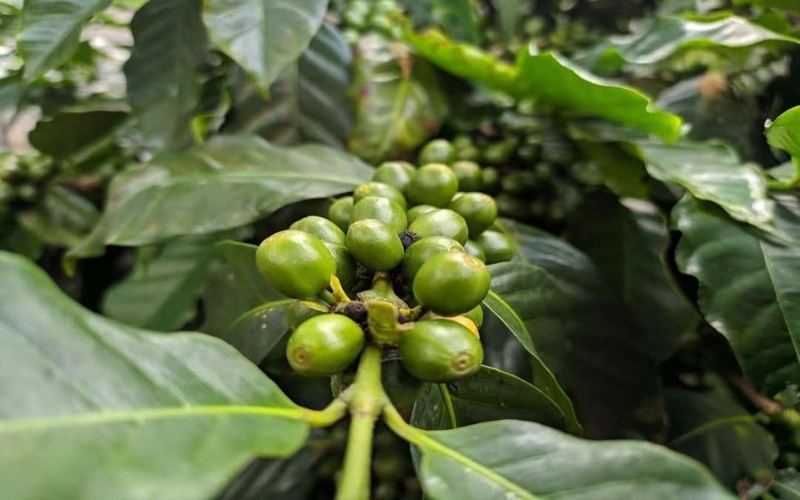
The Flavor Peak of Espresso: Understanding Roast Dates, Degassing Cycles, and Daily Sealed Storage
Espresso extraction is extremely sensitive to the state of the carbon dioxide inside the coffee beans, and the completion of roasting does not mean the beans immediately reach the balance point for aroma release. Freshly roasted coffee beans are packed with a large amount of gas inside. If pressurized extraction is carried out right away, the water flow is easily obstructed by bubbles, leading to uneven extraction and bringing out too many off-flavors. Understanding [more…]
Latte art tutorial | Why does milk foam? How can coffee beginners make latte art? What are the techniques for steaming milk for a latte?
Guide to Getting the Best Milk Foam, Why Does Milk Foam? Front Street Coffee (FrontStreet Coffee) - it can be said that steaming milk is a fundamental and core skill for every barista; whether one can steam perfect milk is a factor in judging whether the barista's skill level is up to standard. [more…]
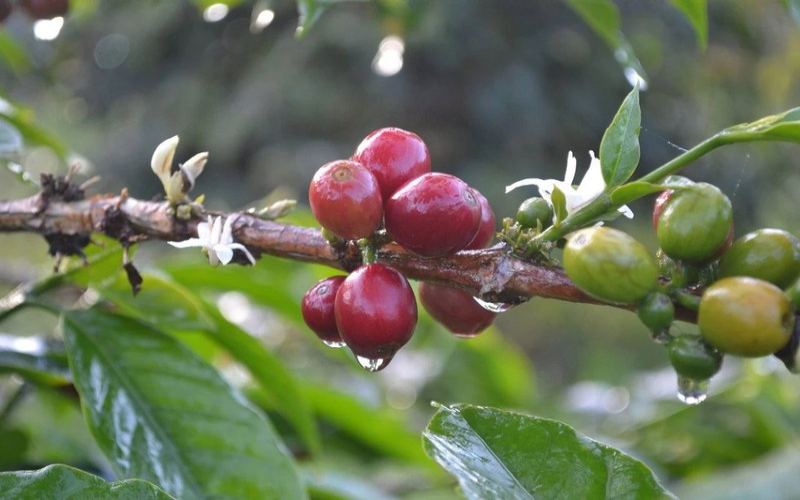
Opening Rhythm and Flavor Changes of Dark Roast Pour-Over Beans
When brewing pour-over with dark roast coffee beans, the flavor usually unfolds with notes of cocoa, roasted nuts, and caramel sweetness; when the water temperature is right, you can also taste a rounded, sweet finish. However, for these beans, the journey from completion of roasting to the first sip is not a straight line from opening the bag to drinking. Degassing rate, time after opening, and storage method all alter the aroma, body, and [more…]